The Physics of Passive Fit.
Eliminating 'Rocking Fits' in Cross-Arch Structures through Controlled Stress Relief Annealing.
Technical Note
TECHNICAL NOTE: Focuses on material-induced distortion during CAD/CAM milling. Not for clinical cementation errors.
Diagnosis: Why Bridges Warp
Risk Addressed
Internal Residual Stress Release
Standard cold-rolled titanium retains high internal energy. When 70%+ of the volume is milled away, this energy releases as kinetic movement, twisting the framework. This is not a CAM error; it is a raw material deficiency.
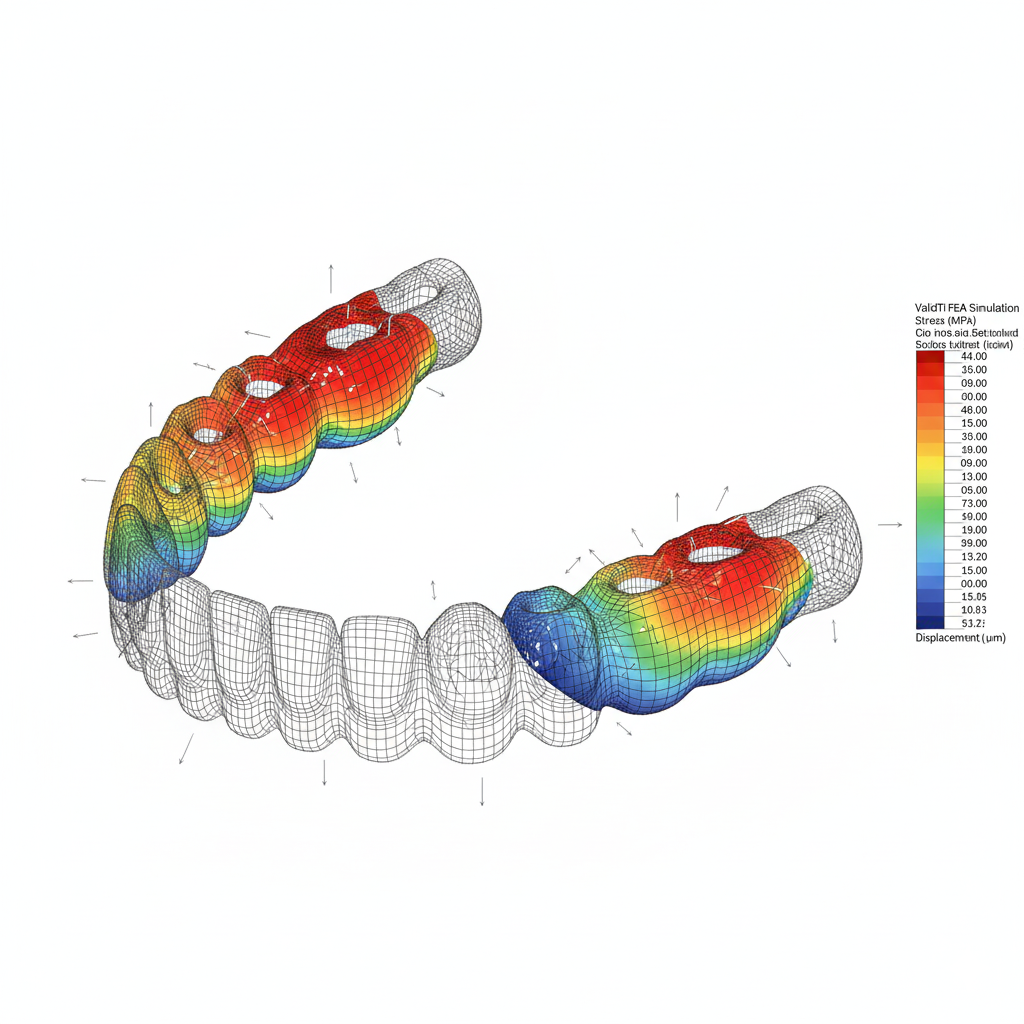
Fig 1. Kinetic Release of Residual Stress during material removal. Technical diagram showing internal stress vectors and warping mechanism.
The ValidTi Relief Protocol
| Parameter | Generic 'As-Rolled' Ti | ValidTi Annealed |
|---|---|---|
| Thermal History | Cold Worked (High Stress) | Vacuum Stress Relieved |
| Post-Mill Distortion | High (>50 microns) | Negligible (<10 microns) |
| Long-Span Stability | Unpredictable | Dimensional Certainty |
The Annealing Standard
Every ValidTi disc undergoes a controlled heating and slow-cooling cycle (Annealing). This relaxes the grain structure, ensuring that the disc remains geometrically inert even when machined into thin, complex cross-arch geometries.
Verify The Thermal Cycle
Secure Audit Request Portal